Experiential learning has emerged as a transformative approach to education and professional development, offering hands-on, immersive experiences that foster deeper understanding and skill acquisition. With a growing array of workshops available—ranging from adventure-based team building to business simulations—choosing the right workshop for experiential learning can be both exciting and overwhelming. Whether you’re an individual seeking personal growth, an educator looking to enrich your curriculum, or an HR manager tasked with upskilling your team, making an informed choice is crucial. This guide dives into key considerations, types of workshops, evaluation metrics, and practical tips to help you select the ideal experiential learning workshop for your goals.
The Essentials of Experiential Learning Workshops
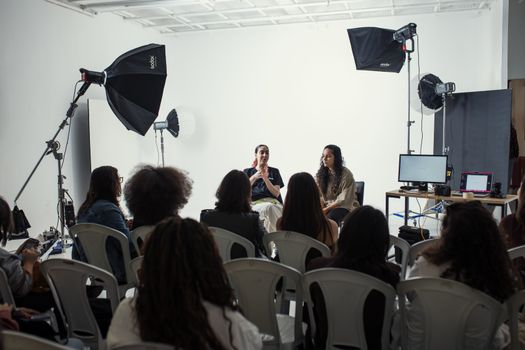
Experiential learning workshops are designed to move beyond theory by engaging participants in active, real-world tasks. According to the Association for Experiential Education, over 70% of knowledge is retained when learners do something themselves, compared to just 10% when they only read or hear about it. This hands-on approach is why experiential methods are so powerful, whether applied in schools, universities, or workplaces.
Workshops can vary widely in format and content. Some might focus on outdoor adventure activities like ropes courses or wilderness survival, while others center on role-playing, simulations, or problem-solving exercises relevant to business or education. The unifying theme is that participants learn by doing, reflecting, and applying new skills in authentic contexts.
.png) Key benefits of experiential learning workshops include:
- Higher engagement and motivation
- Improved retention and transfer of skills
- Development of soft skills such as teamwork, leadership, and communication
- Opportunities for immediate feedback and reflection
Key benefits of experiential learning workshops include:
- Higher engagement and motivation
- Improved retention and transfer of skills
- Development of soft skills such as teamwork, leadership, and communication
- Opportunities for immediate feedback and reflection
However, not every workshop will fit every learner’s needs. Understanding the core elements and your objectives is the first step in making a wise choice.
Defining Your Goals and Learning Outcomes
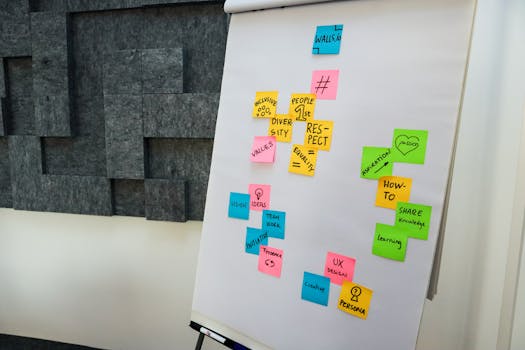
The most critical factor in selecting a workshop is clarity about your goals. Experiential workshops are not one-size-fits-all; each is designed with specific learning outcomes in mind. Ask yourself or your team:
- What skills or competencies do we need to develop? - Are we seeking personal growth, professional skills, or team cohesion? - Is the focus on hard skills (like negotiation or project management) or soft skills (such as empathy or adaptability)?For example, a 2022 survey by LinkedIn Learning found that 57% of employers prioritized workshops that built leadership and collaboration skills. In contrast, educational institutions might look for workshops that support creative thinking or STEM competencies.
By defining your desired outcomes, you can narrow your search and ensure the workshop aligns with what you want to achieve.
Comparing Types of Experiential Learning Workshops
The experiential learning landscape is diverse. Here’s an overview of popular types, along with their typical objectives and best-use scenarios:
| Type of Workshop | Main Focus | Ideal Audience | Example Activities |
|---|---|---|---|
| Adventure-Based | Teamwork, Trust, Problem-Solving | Corporate teams, youth groups | Ropes courses, group challenges |
| Business Simulations | Leadership, Decision-Making, Strategy | Managers, MBA students | Role-play, case studies, financial games |
| Creative Arts | Innovation, Self-Expression, Collaboration | Students, creative professionals | Improv theatre, collaborative art projects |
| STEM Challenges | Critical Thinking, Technical Skills | Students, engineers, educators | Robotics, coding sprints, maker labs |
| Service Learning | Social Responsibility, Civic Engagement | Community groups, schools | Volunteering, project-based service |
Each format has unique strengths. For instance, business simulations are lauded for mirroring real-world pressures—according to a 2023 Harvard Business Review study, 82% of participants in business simulations reported better decision-making confidence at work. Meanwhile, adventure-based workshops are proven to build trust and reduce workplace conflict, with some organizations reporting a 30% improvement in team cohesion post-workshop.
Evaluating Workshop Providers: What to Look For
The quality of the facilitator and the organization behind the workshop can make or break the experience. Here are essential criteria to consider:
1. $1: Does the provider have a track record in experiential learning? Look for certifications, years of experience, and testimonials. For example, organizations accredited by the Association for Experiential Education adhere to rigorous standards and best practices. 2. $1: Can the workshop be tailored to your specific needs? Providers offering pre-workshop consultations or needs assessments demonstrate a commitment to relevance and impact. 3. $1: Effective experiential learning depends on skilled facilitators who can guide reflection, debrief discussions, and adapt activities in real time. Check for facilitator bios, reviews, and sample agendas. 4. $1: For physically demanding or off-site workshops, safety protocols are non-negotiable. Reputable providers should have clear risk management procedures and appropriate insurance. 5. $1: The learning shouldn’t end when the workshop does. Ask if the provider offers post-workshop resources, feedback surveys, or measurable outcomes.When reviewing providers, don’t hesitate to request references or case studies. According to Training Industry’s 2023 survey, 68% of organizations saw the best ROI from workshops with robust post-session follow-up and assessment.
Cost, Time, and Accessibility: Balancing Practicalities
Budget and logistics will inevitably influence your choice. Experiential learning workshops can range from a few hours to multi-day retreats, with costs varying accordingly. In the US, a one-day team-building workshop can cost between $3,000 and $10,000 for a group of 20, depending on location, facilitator expertise, and activity complexity.
Consider these practical questions: - How much time can participants commit? - What is your budget, including travel or accommodation if necessary? - Are there online or hybrid options for remote teams?The rise of virtual experiential learning has made many workshops more accessible. For example, online business simulations or escape-room-style challenges can deliver high engagement at lower costs and with greater flexibility—especially valuable for distributed organizations.
Matching Workshop Design to Learning Styles and Group Dynamics
Every group is different. A workshop that energizes one cohort might not engage another. Understanding your participants’ learning styles, personalities, and team dynamics will help you choose a format that maximizes impact.
- $1 thrive in hands-on, kinetic environments—adventure-based or maker workshops will likely resonate with them. - $1 benefit from structured debriefs and group discussions, making business simulations or service learning a better fit. - $1 may be drawn to workshops involving the arts, innovation, or design thinking.Additionally, consider the size and makeup of your group. Smaller groups (under 10) allow for in-depth discussion and individual feedback, while larger groups may require more structured or scalable activities to keep everyone engaged.
Diversity and inclusion are also important. Choose workshops accessible to all physical abilities and backgrounds. According to a 2021 report by Catalyst, inclusive experiential workshops can increase team innovation by up to 20%.
Measuring Impact: How to Know If You Chose Well
The final step is to assess whether the workshop met your objectives. This involves both qualitative and quantitative measures:
- $1: Surveys or self-evaluations before and after the workshop help quantify skill development or attitude shifts. - $1: Look for changes in how participants interact, solve problems, or approach challenges. - $1: Collect input from participants on what worked, what didn’t, and how the experience impacted them.Long-term impact is most meaningful. According to the Center for Creative Leadership, organizations that regularly follow up after experiential workshops see a 60% increase in sustained behavior change compared to those that do not.
Final Thoughts on Choosing the Right Workshop for Experiential Learning
Selecting the right experiential learning workshop is a strategic investment in personal, educational, or organizational growth. By clearly defining your goals, exploring a variety of workshop formats, scrutinizing providers, and accounting for the unique needs of your group, you’ll greatly increase the likelihood of a successful, transformative experience.
Remember: the “right” workshop is not necessarily the most expensive or the trendiest—it’s the one that best aligns with your desired outcomes and the characteristics of your participants. With careful planning and informed evaluation, experiential learning can unlock new levels of engagement, insight, and performance for any group.