Introduction to Experiential Learning
Experiential learning stands out as a transformative educational approach, prioritizing direct engagement and practical application of knowledge. Rooted in the principle that learning occurs through active interaction with one’s environment, this method significantly enhances understanding, retention, and application of information, preparing learners for real-life challenges.
The Mechanism of Experiential Learning
.png)
At the heart of experiential learning are activities that thrust learners into the forefront of the learning process. These may include:
- Role-playing and simulations: These allow learners to enact scenarios that mimic real-life situations, providing a safe space to explore different outcomes.
- Field trips: By visiting relevant sites and engaging with the field outside the classroom, learners gain firsthand exposure to applications of their theoretical knowledge.
- Hands-on projects: Whether it’s building a model, conducting scientific experiments, or creating digital content, hands-on tasks enable learners to directly apply and test their knowledge.
Central to these experiences is the process of reflection. Post-activity reflection isn’t merely about recollection but involves critically analyzing one’s decisions, understanding outcomes, and synthesizing how similar challenges might be approached in the future.
Benefits of Experiential Learning
The advantages of integrating experiential learning into educational frameworks are extensive:
- Enhanced Engagement and Motivation: Active participation boosts learners' interest and enthusiasm, which in turn enhances information retention.
- Critical Thinking and Problem-Solving: Faced with real or simulated challenges, learners must employ critical and creative thinking to devise solutions, enriching their decision-making skills.
- Improved Interpersonal Skills and Teamwork: Many experiential activities require collaboration, thereby honing communication, conflict resolution, and cooperative skills.
Strategies for Implementing Experiential Learning
To effectively incorporate experiential learning into existing curricula, consider the following strategies:
- Start Small: Introduce simple, manageable experiential tasks that tie closely to the current curriculum. Gradually expand the complexity as comfort with the methodology grows.
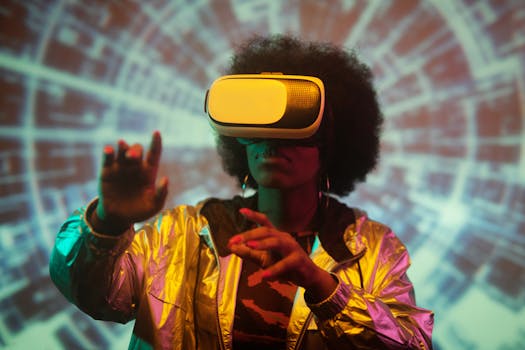
- Leverage Technology: Utilize VR and AR to create immersive, interactive learning environments. These technologies can simulate intricate, inaccessible scenarios within a controlled classroom setting.
- Define Clear Objectives: For each activity, establish specific learning outcomes to ensure alignment with broader educational goals and to facilitate effective assessment.
- Collaborate with Industry Experts: Involvement of professionals from relevant fields can provide real-world insights and networking opportunities, further enriching the learning experience.
Conclusion: The Future of Learning
Experiential learning reshapes educational landscapes by offering a dynamic, immersive, and highly effective modality of education that not only imparts knowledge but also instills essential life skills. As educational paradigms evolve, the role of experiential learning is set to expand, potentially becoming a cornerstone of how education is approached worldwide. Through thoughtful integration and strategic enhancement, experiential learning can significantly elevate educational outcomes and equip learners with the tools necessary for professional and personal success.