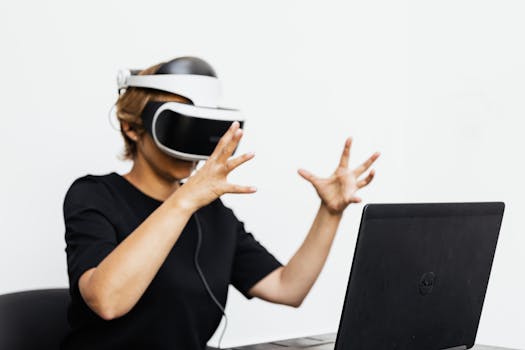
Personal Development in the Digital Age: How Technology is Changing Our Skills
The 21st century has ushered in a digital revolution that is reshaping every aspect of our lives, including how we approach personal development. From online courses and smart devices to artificial intelligence and social media, technology is transforming not just what we learn, but how we learn and the skills we prioritize. The digital age demands adaptability, digital literacy, and a new set of human skills to thrive in a rapidly evolving landscape. Understanding how technology is changing our skills is essential for anyone looking to grow personally and professionally in today’s interconnected world.
The Digital Transformation of Learning and Skill Acquisition
Traditionally, personal development relied on in-person workshops, printed self-help books, and face-to-face mentoring. The digital age, however, has vastly expanded access to learning opportunities. E-learning platforms, virtual reality environments, and mobile applications have democratized education, making it possible for people anywhere to learn new skills at their own pace.
According to the World Economic Forum, by 2025, 50% of all employees will need reskilling due to the adoption of new technology. Online platforms such as Coursera, Udemy, and LinkedIn Learning saw an unprecedented surge during the COVID-19 pandemic, with Coursera alone registering over 21 million new learners in 2020—a 353% increase over 2019.
.png)
These platforms offer flexibility, customization, and a vast range of topics, from coding and digital marketing to mindfulness and leadership. Microlearning—short, focused modules—caters to busy lifestyles, allowing users to fit development into their daily schedules. Mobile learning, accessible through smartphones or tablets, means that skill-building can happen anywhere, anytime.
Essential Digital Skills for the Modern Age
As technology evolves, so too do the skills required to succeed. While foundational personal development skills such as communication and emotional intelligence remain important, digital proficiency is now non-negotiable. Let’s look at some of the core digital skills shaping personal development today:
- Digital Literacy: Understanding how to use digital devices, platforms, and tools safely and effectively. - Data Analysis: The ability to interpret and use data for decision-making in both professional and personal contexts. - Remote Collaboration: Proficiency with digital communication tools (e.g., Zoom, Slack, Microsoft Teams) to work effectively with geographically distributed teams. - Cybersecurity Awareness: Recognizing online threats, protecting personal information, and maintaining digital hygiene. - Adaptability to New Technologies: A willingness and ability to quickly learn and use emerging tools, such as artificial intelligence or blockchain.A McKinsey Global Survey found that 87% of executives reported skill gaps in their workforce, particularly in digital and analytical skills, which are critical for navigating the digital landscape.
Human Skills in the Age of Automation and AI
While technology automates repetitive tasks and augments human capabilities, it also elevates the importance of uniquely human skills. Automation and artificial intelligence are reshaping the workforce, with estimates from the OECD suggesting that 14% of jobs are at high risk of automation, and another 32% likely to undergo significant changes.
In this context, skills such as creativity, critical thinking, empathy, and emotional intelligence are increasingly valuable. Machines can process data and perform calculations faster than any human, but they cannot yet replicate human judgment, ethical reasoning, or the ability to inspire and lead.
A 2023 report from the World Economic Forum lists “soft” skills among the top 10 skills for the future, including: - Analytical thinking and innovation - Active learning and learning strategies - Resilience, stress tolerance, and flexibility - Leadership and social influencePersonal development in the digital age involves not just keeping up with technological changes, but also honing these irreplaceable human abilities.
Social Media: A Double-Edged Sword for Self-Improvement
Social media platforms like LinkedIn, Twitter, and Instagram have revolutionized how we connect, share knowledge, and build professional networks. They offer instant access to thought leaders, industry trends, and communities focused on personal growth.
However, the impact of social media on personal development is complex. On the positive side, individuals can follow experts, join virtual mastermind groups, and participate in online challenges that encourage skill-building. According to a 2022 Pew Research Center survey, 82% of adults who use social media for professional purposes say it helps them stay informed and develop new ideas.
On the flip side, social media can contribute to information overload, decreased attention span, and comparison-induced anxiety. The curated nature of online profiles may set unrealistic expectations, leading to discouragement rather than motivation. Therefore, digital self-management—setting boundaries and curating content feeds—has become an essential skill for personal growth in the digital age.
Technology’s Impact on Traditional vs. Digital Personal Development
To understand the profound shift brought about by technology, it’s useful to compare traditional and digital approaches to personal development:
| Aspect | Traditional Personal Development | Digital Age Personal Development |
|---|---|---|
| Learning Format | In-person workshops, seminars, books | Online courses, webinars, mobile apps |
| Accessibility | Limited by geography and time | 24/7 global access |
| Cost | Often higher (travel, materials, attendance fees) | Often lower or free (open resources, MOOCs) |
| Interactivity | Face-to-face interaction | Virtual forums, live chats, AI tutors |
| Customization | Generalized content | Personalized learning paths, adaptive algorithms |
| Skill Focus | Soft skills, leadership, communication | Digital skills, remote teamwork, data literacy |
This comparison highlights the ways technology has broadened both the “what” and “how” of personal development, making growth more accessible but also demanding new competencies.
Challenges and Opportunities in Digital Personal Development
While the digital age has multiplied opportunities for personal growth, it also presents new challenges. The sheer volume of available resources can be overwhelming, and distinguishing credible information from misinformation requires critical thinking. Additionally, the pace of technological change means that skills can become obsolete quickly; the half-life of a learned skill is now estimated to be around five years, according to IBM.
However, these challenges are matched by unique opportunities. Artificial intelligence can recommend personalized learning content based on individual progress. Virtual reality can simulate real-world scenarios for practicing complex skills, such as public speaking or negotiation. Gamified learning platforms increase engagement and motivation through rewards and social interaction.
For those willing to embrace change, the digital age offers a dynamic playground for lifelong learning and self-improvement.
Future Trends: What’s Next for Personal Development?
Looking ahead, several trends are set to further transform personal development:
- AI-Powered Coaching: Tools like Replika and BetterUp use artificial intelligence to provide personalized feedback and support, making high-quality coaching more widely available. - Immersive Learning: Augmented reality (AR) and virtual reality (VR) are enabling experiential learning, from virtual job interviews to interactive leadership simulations. - Blockchain Credentials: Blockchain technology is making it easier to verify and share digital badges, micro-credentials, and certifications, enhancing career mobility. - Well-being Tech: Wearable devices and mental health apps are integrating personal development with holistic wellness, tracking everything from sleep quality to stress levels.With global investment in educational technology projected to reach $404 billion by 2025 (HolonIQ), the future of personal growth will be increasingly digital, personalized, and interconnected.
Embracing Growth: The Digital Age Advantage
Personal development in the digital age is both a challenge and an opportunity. Technology is reshaping the skills we need, the way we learn, and the pace of change we must keep up with. Success today requires a blend of digital literacy, adaptability, and timeless human skills like creativity and empathy.
By leveraging digital resources and cultivating a proactive mindset, anyone can harness technology to unlock new levels of personal and professional achievement. The key is to stay curious, stay connected, and commit to lifelong learning in a world where change is the only constant.