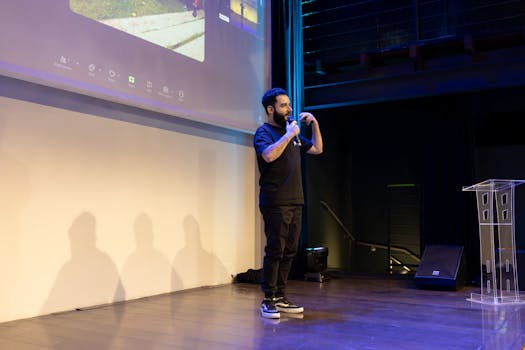
Workshops are a dynamic component of experiential learning, a method that emphasizes learning through direct experience. This approach is highly effective in both educational and professional settings, as it integrates theoretical knowledge with practical application. Through workshops, participants engage actively, which significantly enhances learning outcomes by allowing them to apply concepts in real-world scenarios.
Key Features of Workshops in Experiential Learning
- Active Participation: Unlike traditional lecture-based learning where the engagement can be passive, workshops require participants to be actively involved. This hands-on involvement ensures that learners are not just passive recipients of information but active participants in constructing their knowledge and skills.
- Simulation of Real-World Scenarios: Workshops often use simulations or case studies to mirror real-life challenges. This setup allows participants to practice and apply their skills in a controlled environment, which prepares them for similar situations in their professional lives.
- Promotion of Soft Skills: The interactive nature of workshops encourages communication, teamwork, and leadership. These sessions provide a platform for participants to work collaboratively, share insights, and develop interpersonal skills that are crucial in any professional setting.
- Immediate Feedback: One of the most significant advantages of workshops is the opportunity for immediate feedback. Facilitators can observe participants' performance and provide instant and personalized feedback, which is instrumental in helping learners make quick adjustments and improvements.
- Adaptability to Diverse Learning Needs: Facilitators can tailor workshop activities to accommodate different learning styles and preferences. This flexibility ensures that all participants can engage with the material in a way that best suits their individual learning needs, making workshops an inclusive learning environment.
- Integration of Technology: Modern workshops often incorporate digital tools such as virtual reality, simulations, and online collaborative platforms. These technologies can enhance the realism of scenarios and expand the possibilities for engagement, making learning even more compelling and effective.
Designing Effective Workshops
.png)
To maximize the benefits of workshops in experiential learning, careful planning and strategic implementation are essential. Facilitators should:
- Define Clear Objectives: Establish what the workshop aims to achieve and ensure all activities align with these goals.
- Understand the Audience: Consider the participants’ backgrounds and skill levels to tailor the content appropriately.
- Create an Engaging Environment: Use a mix of activities to cater to various learning styles and keep participants engaged and motivated.
- Utilize Appropriate Technology: Select technologies that enhance learning outcomes without overwhelming the participants or detracting from the workshop’s goals.
Conclusion
Workshops are a critical element of experiential learning. They provide a rich, interactive environment where theoretical knowledge is applied through practical, real-world activities. By fostering active participation, encouraging the development of soft skills, offering immediate feedback, and accommodating diverse learning needs, workshops equip participants with the skills necessary for professional success. As the demand for practical, hands-on training continues to increase, the role of workshops in experiential learning is set to become even more significant, making them indispensable in modern education and professional development frameworks.