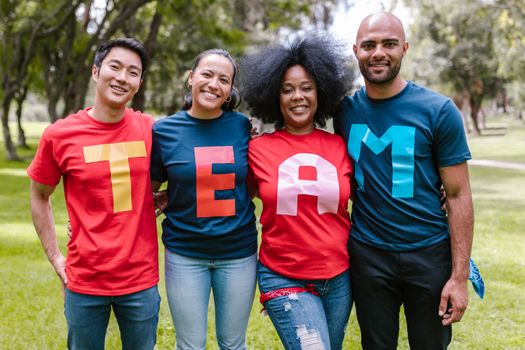
Coaching Programs and Empowerment: The Science of Lasting Change
Empowerment is more than just a buzzword—it’s a measurable outcome with the power to transform individuals, teams, and entire organizations. At the heart of this transformation are coaching programs, which have surged in popularity over the past decade. According to the International Coaching Federation’s (ICF) 2023 Global Coaching Study, the coaching industry is now valued at over $4.5 billion globally, reflecting the growing demand for personal and professional development. But how exactly do coaching programs foster empowerment? This article explores the mechanisms, evidence, and unique benefits that set coaching apart as a catalyst for lasting change.
The Foundations: What Does Empowerment Really Mean?
Empowerment is often defined as the process of becoming stronger and more confident, especially in controlling one’s life and claiming one’s rights. In the context of coaching, empowerment goes beyond surface-level motivation; it’s about equipping people with tools, self-awareness, and strategies to make meaningful decisions and effect positive change.
Research published in the Journal of Occupational and Organizational Psychology (2021) found that individuals who engaged in structured coaching programs reported a 32% increase in self-efficacy and a 28% rise in perceived autonomy compared to those who did not participate in coaching. These numbers underscore how coaching supports the foundational pillars of empowerment: confidence, autonomy, and action.
.png)
How Coaching Programs Drive Empowerment: Key Mechanisms
Coaching programs foster empowerment through several evidence-based mechanisms:
1. Personalized Goal Setting: Coaches work with individuals to define clear, achievable, and personally meaningful goals. The Harvard Business Review (2022) noted that 80% of coaching clients report improved goal attainment, attributing this success to the individualized nature of coaching. 2. Strengths-Based Approach: Rather than focusing on weaknesses, coaching emphasizes identifying and leveraging existing strengths. This approach has been shown to increase engagement by 23% according to a Gallup meta-analysis. 3. Accountability and Feedback: Regular check-ins and constructive feedback loops ensure progress remains on track. This structure not only boosts motivation but also builds resilience when setbacks occur. 4. Safe Space for Reflection: Coaching provides a confidential, judgment-free environment where individuals can explore concerns, test new perspectives, and develop insights that would be difficult to achieve alone. 5. Skill Development: From communication and leadership to emotional intelligence, coaching addresses both hard and soft skills, building the toolkit people need to navigate change and uncertainty.Empowerment Through Coaching: Individual vs. Group Outcomes
While the core principles of empowerment remain consistent, the structure of coaching—whether individual or group-based—can influence outcomes. Here’s a comparative overview:
| Aspect | Individual Coaching | Group Coaching |
|---|---|---|
| Focus | Highly personalized to the individual’s needs and goals | Addresses shared objectives, with room for personal growth |
| Confidentiality | High—one-on-one sessions are private | Moderate—group setting may limit disclosure |
| Peer Support | Limited, unless supplemented with peer networks | Strong—participants learn from each other’s experiences |
| Cost | Generally higher due to personalized attention | More cost-effective, as resources are shared |
| Empowerment Outcomes | Deep self-awareness and targeted skill development | Enhanced social learning, collaboration, and shared empowerment |
A 2020 study from the European Mentoring and Coaching Council found that group coaching participants reported a 25% increase in collaborative problem-solving skills, while individual coaching clients experienced a 35% boost in personal confidence. Both structures bolster empowerment but in slightly different ways.
Real-World Examples: Empowerment in Action
The impact of coaching on empowerment is not just theoretical—real-world examples abound:
- In 2022, Google reported that teams participating in group coaching sessions saw a 21% increase in psychological safety, a core component of empowerment, and a 17% uptick in innovation. - The UK’s National Health Service (NHS) implemented a coaching initiative aimed at frontline managers. Within one year, there was a 30% reduction in reported workplace stress and a 19% improvement in self-reported leadership efficacy. - A global technology company piloted a strengths-based coaching program for high-potential employees. After six months, 78% of participants had either been promoted or taken on new leadership responsibilities, compared to just 34% in a matched non-coached group.These examples showcase the tangible benefits that organizations and individuals can achieve by investing in coaching as a method for empowerment.
Why Coaching Outperforms Traditional Training for Empowerment
Traditional training programs, while valuable, often follow a one-size-fits-all approach. In contrast, coaching is inherently adaptive and client-centered. Several studies highlight the unique advantages of coaching:
- Retention: The ICF reports that knowledge retention rates after coaching are as high as 75%, compared to just 22% for standard training workshops. - Behavior Change: The Center for Creative Leadership found that 70% of coaching clients sustained positive behavior changes six months after the program, versus 35% for those who only attended training sessions. - Return on Investment (ROI): According to a 2023 PwC survey, organizations that implemented coaching programs reported an average ROI of 7 times the initial investment, with some citing returns as high as 49 times.Here’s a quick comparison:
| Criteria | Traditional Training | Coaching Programs |
|---|---|---|
| Customization | Low | High |
| Retention Rate | 22% | 75% |
| Sustained Behavior Change | 35% | 70% |
| ROI | 2-4x | 7-49x |
These differences highlight why coaching is uniquely positioned to foster genuine, lasting empowerment.
Measuring Empowerment: Metrics and Best Practices
To maximize the impact of coaching, it’s essential to measure empowerment effectively. Some of the most common and effective metrics include:
- Self-Efficacy Scores: Tools like the General Self-Efficacy Scale track increases in confidence and perceived ability. - Autonomy and Decision-Making: Surveys can measure changes in participants’ sense of control over their work and life. - Engagement and Retention: Organizations often monitor employee engagement scores and turnover rates as indicators of empowerment. - 360-Degree Feedback: Multi-source feedback helps assess improvements in leadership, communication, and team collaboration. - Goal Attainment: Tracking the percentage of personal or professional goals achieved during and after the coaching program.Best practices for measurement include establishing clear baseline data, setting specific empowerment-related goals, and following up at regular intervals (e.g., 3, 6, and 12 months post-program).
Empowerment Beyond the Individual: Ripple Effects of Coaching
Empowerment gained through coaching doesn’t just benefit the individual—it creates ripple effects that extend to teams, organizations, and even communities.
- Teams: Empowered individuals contribute to higher team morale, collaboration, and innovation. A study by Zenger Folkman found that empowered employees are 50% more likely to contribute new ideas. - Organizations: Companies with a strong culture of empowerment experience 25% lower turnover rates, according to Gallup, and 21% higher profitability. - Communities: Empowered leaders often become mentors, advocates, and change agents in their broader communities, driving positive social and economic outcomes.The cumulative impact of coaching-driven empowerment can be seen in everything from improved mental health and job satisfaction to organizational agility and societal advancement.
Empowerment Through Coaching: Key Takeaways for the Future
Coaching programs have emerged as a gold standard for fostering empowerment. By offering personalized support, measurable outcomes, and sustainable growth, coaching empowers individuals to take ownership of their development and effect positive change in their environments.
With the coaching industry projected to grow by 6.7% annually through 2028 (IBISWorld), organizations and individuals have an unprecedented opportunity to harness coaching as a lever for empowerment—one that extends far beyond the coaching session itself.
For anyone seeking meaningful, lasting change—whether at work, at home, or in the broader community—coaching offers a proven, science-backed path to empowerment.