Title: Unlocking Potential: How Experiential Learning Can Transform Your Skill Set
In our rapidly evolving world, the traditional educational landscape is being complemented by more dynamic and practical approaches to learning. Among these, experiential learning stands out as a transformative method for skill enhancement. This learning-by-doing approach not only enriches knowledge but also prepares individuals for real-world challenges, making it a pivotal tool for anyone looking to advance their capabilities.
What is Experiential Learning?
.png)
Experiential learning is an educational theory that emphasizes learning through experience. It involves engaging with materials actively and reflecting on those engagements, as opposed to passive memorization of facts. This method is based on a cyclical model of experiencing, reflecting, thinking, and acting, which helps learners absorb and apply their new skills in practical settings.
Benefits of Experiential Learning
- Enhanced Retention: By actively engaging in problem-solving and tasks, learners often retain information better because it becomes relevant to their own experiences and goals.
- Critical Thinking and Problem Solving: Real-world challenges require learners to use critical thinking to navigate complex situations, thus enhancing these essential skills.
- Personalized Learning: Experiential learning can be tailored to individual learning styles, which increases engagement and effectiveness.
- Real-World Application: This approach allows learners to see how concepts apply in real-life scenarios, bridging the gap between theory and practice.
Implementing Experiential Learning
Internships and Apprenticeships: These positions offer practical experience in a professional environment, allowing learners to apply academic theories to real-life practice while gaining valuable industry insight.
Simulations and Role-Playing: Used extensively in fields like healthcare, business, and law, simulations provide a risk-free environment to explore scenarios that mimic real-life challenges.
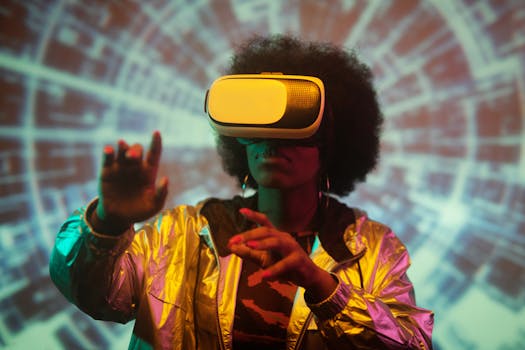
Technology Integration: Advanced technologies such as VR and AR create immersive experiences that are particularly effective for fields requiring spatial understanding, like architecture, medicine, or history.
Project-Based Learning: This strategy involves completing projects that address real problems, encouraging learners to research, design, and execute plans in a collaborative setting.
Strategies for Effective Experiential Learning
- Set Clear Objectives: Begin with clear learning goals. What skills do you aim to develop? This focus will guide your experiential learning activities.
- Reflect Regularly: After each experiential learning session, take time to reflect on what worked, what didn’t, and how the experience could be improved.
- Seek Feedback: Input from mentors, peers, or educators can provide new insights and help refine skills further.
- Iterate Based on Experience: Use your experiences to make informed decisions about future learning activities. The iterative process is fundamental to experiential learning.
Conclusion
Experiential learning is more than just an educational buzzword; it's a profound methodology that equips learners with the tools they need to succeed in a complex world. By fostering a deeper understanding of material through active participation, reflection, and real-world application, experiential learning enhances both personal and professional growth. Whether you are a student looking to deepen your academic understanding, or a professional aiming to elevate your career, experiential learning offers a robust foundation for achieving comprehensive and practical skills. Embrace this approach to transform theoretical knowledge into practical expertise, and prepare yourself for future challenges and opportunities.